Search changed, and the old playbook doesn't fit anymore
Search is going through its biggest transformation in twenty years. Generative AI engines now summarize complex queries right on the results page, and Google keeps automating the settings advertisers used to control by hand. The line between paid search and organic discovery has never been blurrier.
Here's the latest: Google is removing manual campaign-level language targeting for Search campaigns and the Search component of Performance Max. Instead, Google's AI will match and serve ads based on your ad copy's language, your landing page content, and the user's real-time search context.

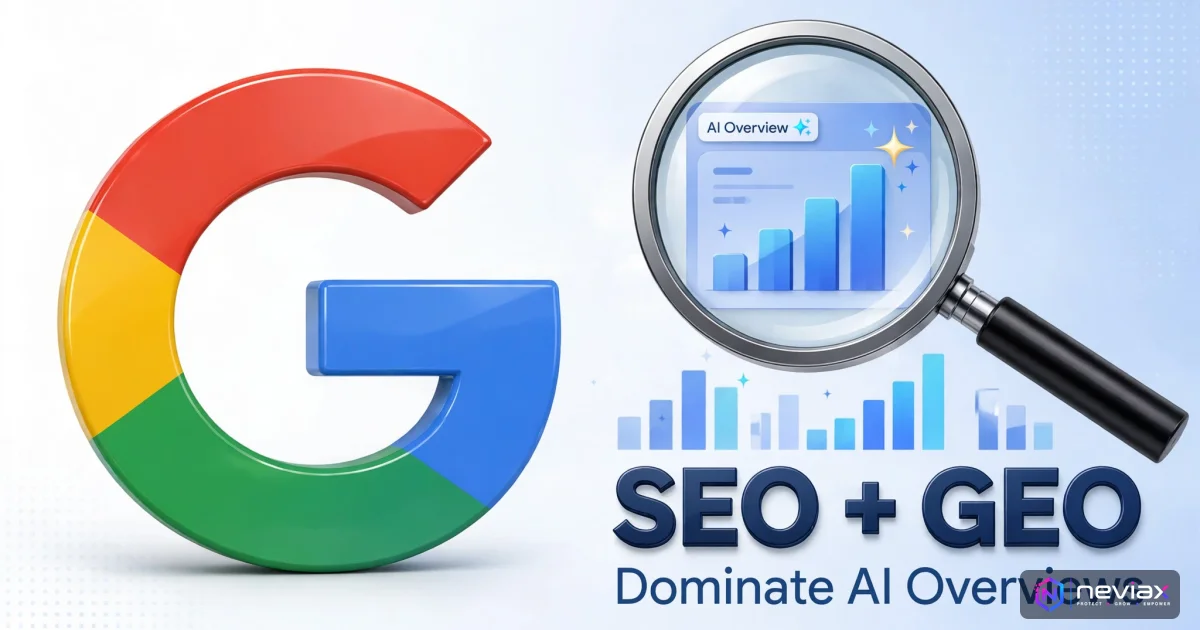
This isn't just an ads update. It's the same shift hitting organic search, and it points directly at GEO, Generative Engine Optimization. When AI decides what gets shown, your content quality becomes your targeting.
What the language targeting change actually means
For years, media buyers ticked language boxes at the campaign level. Google is phasing that out to simplify setups and remove targeting conflicts.
The practical effect: your landing page is now your targeting lever. If your ad copy is in English but your landing page is vague or mixed-language, Google's models will match you with the wrong queries. Media buyers who relied on backend settings now have to think like content strategists, because the page does the targeting work.
Where ads automation and GEO meet
Step back and the pattern is obvious. Across Google's whole ecosystem, machine learning now cares more about what's on your page than what you checked in a settings panel. Paid and organic both.
Your landing pages filter your traffic. Ambiguous pages with weak context attract mismatched clicks. Clear pages with sharp, language-consistent content attract the right ones.
AI Overviews read entity completeness. When Google's AI builds an answer summary, it scans for structured text, clear H2 and H3 headings, and tight definitions. Messy pages don't get cited.
Localization has to be real. If you're running campaigns in multilingual markets, half-localized pages confuse both organic snippets and paid auctions. Product copy, checkout, the whole journey, in the intended language.
Four steps to get cited in AI Overviews
To show up as a cited source in Google AI Overviews (and keep your PPC quality scores healthy), these four tactics are the ones we keep coming back to.
1. Put crisp answers right under your headings. Place a concise, definitive answer (40 to 60 words) immediately beneath each descriptive H2. AI models pull clean paragraph definitions directly into answer snapshots.
2. Structure your entities. Use proper schema markup (Article, FAQPage, Organization) and bulleted comparison tables. Structured data lets algorithms understand relationships between topics without guessing.
3. Keep ads and landing pages consistent. Your headlines, body copy, and destination pages should match in language and context from click to conversion. Any mismatch confuses the models that judge match quality.
4. Build topic clusters, not one-off posts. Instead of publishing isolated articles, create connected hubs of content around your core services. Search engines reward sites that demonstrate real topical depth.
Quick answers before you ask
Do I need to rebuild my existing campaigns? No. Existing single-language setups keep running. But Google will now judge them on your ad text and destination page, so audit your landing pages for match quality.
What exactly is GEO? Generative Engine Optimization is the practice of structuring your content and site architecture so AI-driven search engines (Google AI Overviews, conversational answer bots) cite your site as an authoritative source. Think of it as SEO for the age of AI answers.
How does the language update affect international targeting? If you advertise in multilingual markets, your landing pages need to be fully localized in the target language, from product copy to checkout. Partial translation now costs you traffic quality on both paid and organic.
Get your site ready for AI search
Google's automation updates and the rise of AI Overviews reward one thing above all: genuinely well-structured, authoritative content. Most competitors are still optimizing for a search world that doesn't exist anymore.
Neviax builds SEO and GEO strategies designed for how search works right now, from technical site architecture to content systems that AI engines actually cite. If you want to see how your site stacks up, explore our growth frameworks at neviax.com and let's talk about an audit.